345B Latoria Blvd #202, Victoria, BC, V9C 0S9


Royal Bay Dental Co.
How Many Days Should You Rest After Getting a Dental Implant?

Dental implants offer a durable and aesthetically pleasing solution for replacing missing teeth. They have become a popular choice due to their natural appearance, functionality, and longevity. However, the success of a dental implant procedure is not solely dependent on the quality of the implant itself but also on how well you follow post-operative care instructions. One crucial aspect of recovery is knowing how many days you should rest after getting a dental implant. In this comprehensive guide, we will explore the recommended rest periods, recovery process, and essential care tips to ensure a smooth healing journey.
Understanding Dental Implants
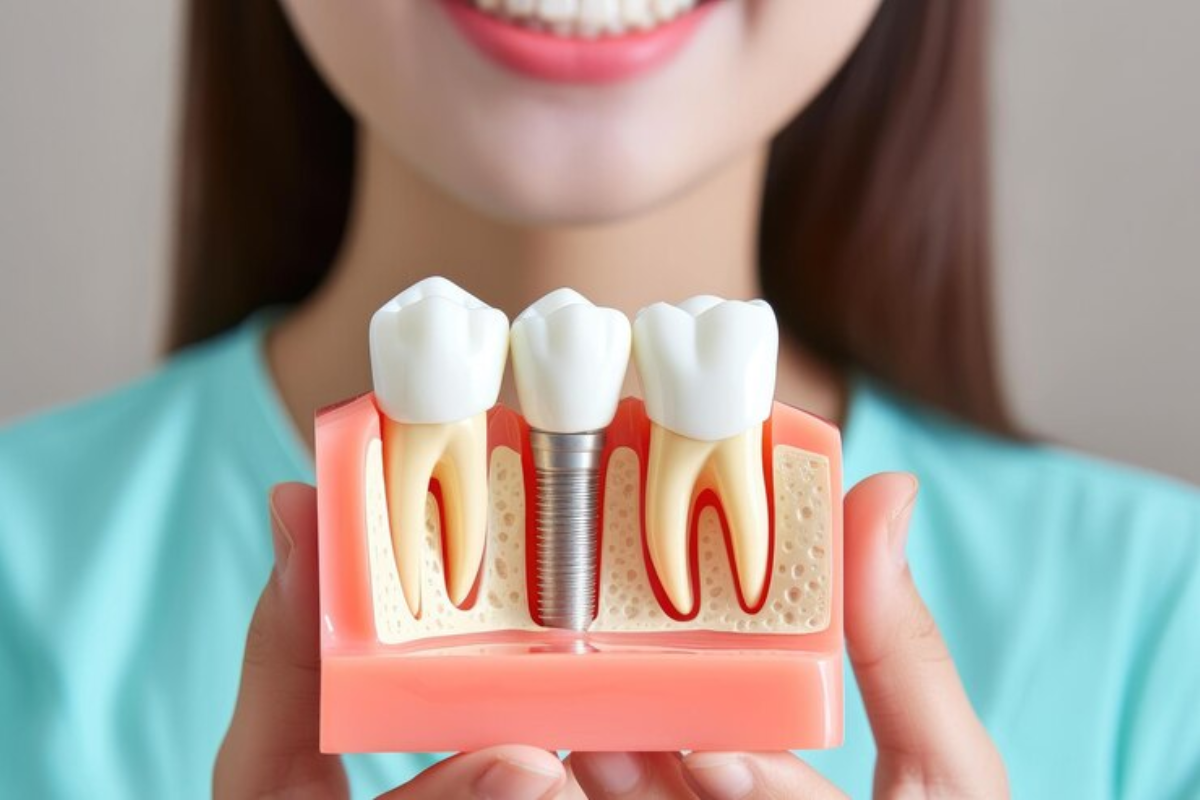
Before diving into the rest and recovery details, it’s important to understand what dental implants are and how they function. A dental implant consists of three main components:
- Implant Fixture: A titanium post surgically placed into the jawbone, serving as a replacement root for the missing tooth.
- Abutment: A connector placed on top of the implant fixture, which will hold the crown in place.
- Crown: A custom-made prosthetic tooth that fits onto the abutment, mimicking the appearance and function of a natural tooth.
The process of getting a dental implant involves several steps, including the initial consultation, implant placement, and the attachment of the final crown. Proper rest and recovery are crucial between these steps to ensure the best outcome.

Immediate Post-Procedure Care
Immediately after the dental implant procedure, you’ll need to take certain measures to promote healing and minimize discomfort. Here are some key points to consider:
- Rest and Recovery: Rest is essential in the first 24-48 hours following the implant surgery. It is advisable to avoid strenuous activities and give your body time to begin the healing process.
- Medication: Your dentist will likely prescribe pain relievers and antibiotics to manage discomfort and prevent infection. Adhere to the prescribed medication schedule to ensure a smooth recovery.
- Dietary Adjustments: Stick to soft foods and avoid chewing on the side where the implant was placed. Cold foods and drinks can help reduce swelling and numb the area.
- Oral Hygiene: Maintain oral hygiene by gently brushing your teeth, avoiding the surgical site. Rinsing with a mild saltwater solution can help keep the area clean and promote healing.
Typical Rest Periods
The exact number of days you should rest after getting a dental implant can vary depending on several factors, including your overall health, the complexity of the procedure, and individual healing rates. However, here are general guidelines to follow:
1. First 24 Hours
During the first 24 hours post-surgery, rest is crucial. This period is when the initial healing begins, and following these guidelines can help minimize complications:
- Rest: Avoid physical exertion and keep your head elevated to reduce swelling.
- Ice Packs: Apply ice packs to the outside of your face for 15-20 minutes at a time to alleviate swelling and discomfort.
- Hydration: Drink plenty of water but avoid using a straw, as the suction can interfere with the healing process.
2. First Week
The first week after the procedure is critical for your recovery. Most people experience the most swelling and discomfort during this period. Here’s how to manage it:
- Limit Activities: Continue to avoid strenuous activities and heavy lifting. Gentle walking is acceptable, but listen to your body and rest as needed.
- Diet: Stick to soft foods and avoid spicy, hot, or hard foods that can irritate the surgical site.
- Follow-Up: Attend any scheduled follow-up appointments with your dentist to ensure that the implant site is healing properly.
3. Two Weeks
By the two-week mark, the initial healing should be progressing well, but continued care is necessary:
- Resumption of Normal Activities: You can gradually resume more normal activities but should still avoid high-impact sports and heavy lifting until you receive clearance from your dentist.
- Oral Care: You may start brushing more normally, but continue to be gentle around the implant site. Use a soft-bristled toothbrush and avoid using abrasive toothpaste.
Long-Term Healing and Integration
The dental implant process doesn’t end with the initial recovery period. The implant needs to integrate with the jawbone, a process known as osseointegration, which typically takes several months. Here’s what to expect during this phase:
1. Osseointegration
- Duration: Osseointegration usually takes about 3 to 6 months. During this time, the implant fixture fuses with the surrounding bone tissue.
- Importance: Successful osseointegration is crucial for the stability and longevity of the implant. Following your dentist’s instructions and maintaining good oral hygiene is essential during this period.
2. Final Restoration
Once osseointegration is complete, you’ll return to your dentist for the placement of the abutment and the final crown. This step is generally less invasive than the initial surgery, and recovery is typically quicker.
Tips for a Smooth Recovery
To ensure a successful recovery after getting a dental implant, follow these additional tips:
- Avoid Smoking and Alcohol: Smoking and alcohol can impair healing and increase the risk of complications. It is best to avoid these substances, especially in the early stages of recovery.
- Stay Hydrated and Eat Nutrient-Rich Foods: Proper nutrition and hydration support the healing process. Focus on eating balanced meals with plenty of vitamins and minerals to aid in tissue repair.
- Monitor for Complications: Be aware of signs of complications, such as excessive swelling, severe pain, or signs of infection (e.g., fever, pus). Contact your dentist immediately if you experience any of these symptoms.
- Follow-Up Care: Keep all follow-up appointments with your dentist to monitor the progress of healing and ensure that the implant is integrating properly.
Resting adequately after getting a dental implant is crucial for a successful recovery. While the general recommendations are to rest for the first 24-48 hours and limit strenuous activities for the first week, individual recovery times may vary. Following your dentist’s post-operative care instructions, maintaining good oral hygiene, and attending follow-up appointments are essential for ensuring a smooth healing process and the long-term success of your dental implant.
By understanding the recommended rest periods and following proper care guidelines, you can enhance your recovery and enjoy the benefits of your new dental implant. If you have any concerns or questions during your recovery, don’t hesitate to reach out to your dental professional for personalized guidance and support.